
AI solutions for business, from diagnosis to adoption
We find where AI saves you time, choose the right tools and build them into your processes, until your teams actually use them.
What we do
- Diagnosis: your repetitive tasks and the potential gains.
- Tool selection: AI assistants, agents, automations, business tools.
- Integration: setup, connection to your existing tools, testing.
- Adoption: onboarding your teams, usage guidelines, follow-up.
- Framework: data privacy and good practice.
Use cases
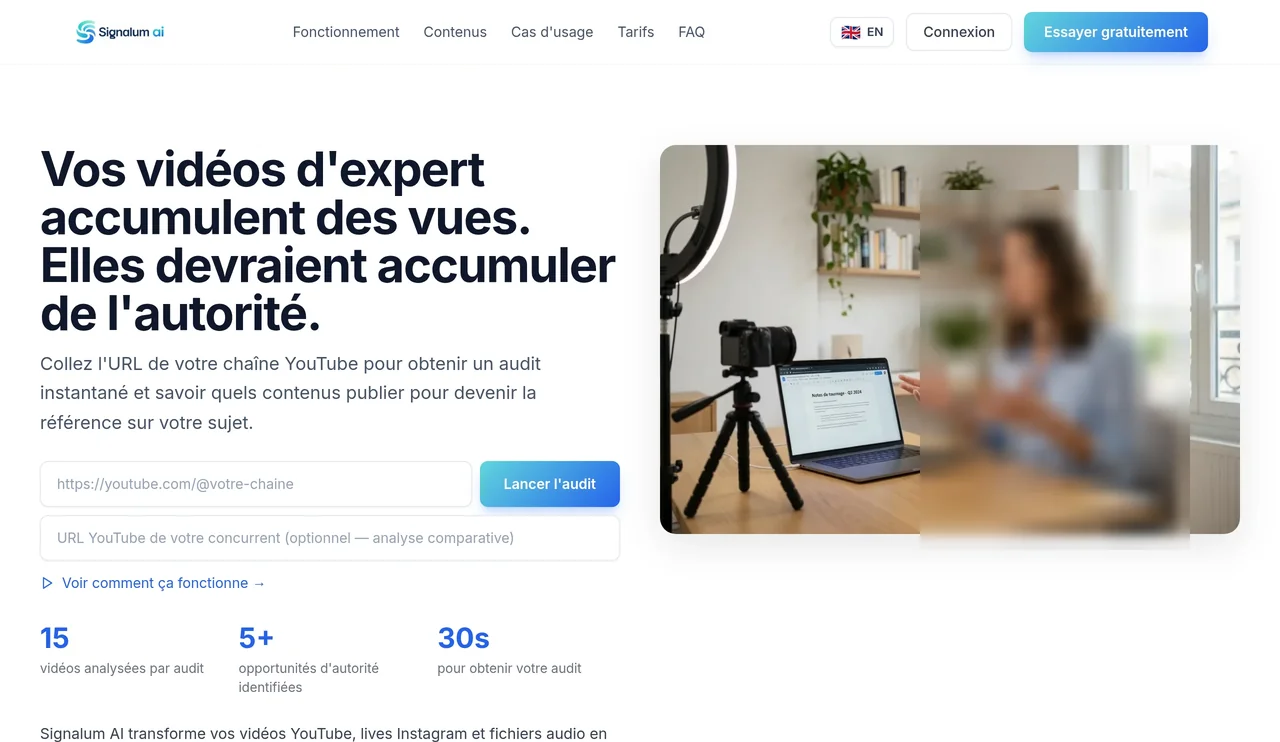
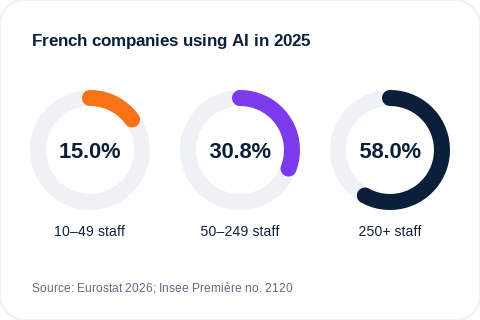
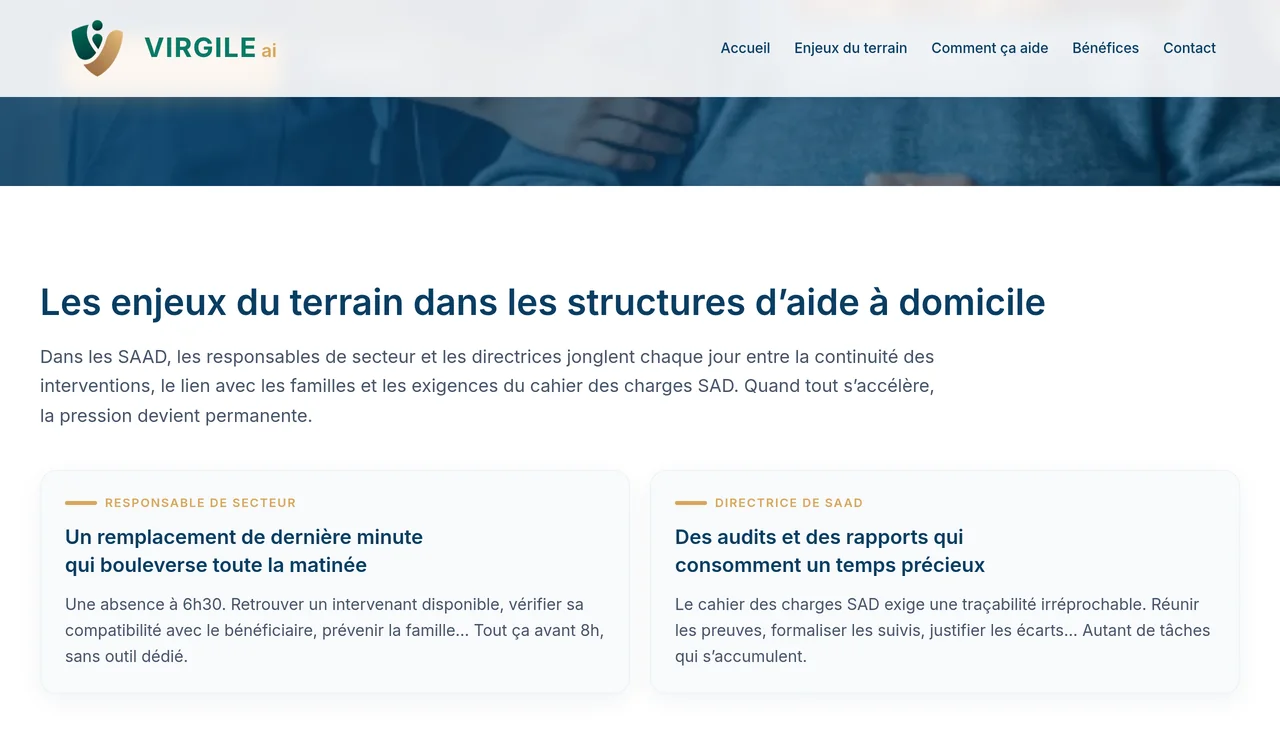
Writing ads and content, answering customer service requests, preparing prospecting, summarising documents, analysing sales results.
How it works
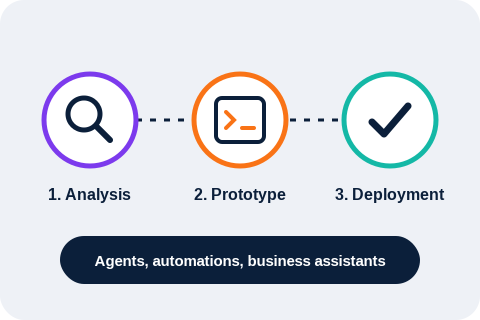
- Scoping workshop.
- Prioritising use cases.
- Setup and testing.
- Follow-up and adjustments.


Go further: sector-specific AI training and coaching
Frequently asked questions
What is an AI agent, in simple terms?
An AI agent is software that uses a language model to complete a multi-step task with some autonomy: it reads information, chooses an action and uses your tools, such as email or your CRM. For example, it can sort customer requests and draft replies. At Hiclix, I define its scope with you and decide which actions need human approval.
How does an AI agent work?
An AI agent receives a goal, breaks the task into steps, then calls connected tools, such as a document base, a calendar or a CRM, to act. The language model chooses the next step based on the previous result. At Hiclix, I limit its access to what it strictly needs, test its actions on real cases and require human approval for sensitive actions.
How do you implement AI in a business?
To implement AI in your business, I recommend starting with a repetitive, well-defined task whose gain you can measure. At Hiclix, I run a scoping workshop, prioritise your use cases, then set up the tool on a small scope, with testing, human approval and minimal access rights. I extend the rollout only if the results justify it.
Which AI agents are right for a small business?
The right agent depends on your tasks, your existing tools and how sensitive your data is. A general assistant is often enough for writing, while a business tool or a connected agent makes sense for a specific process, such as handling customer requests. At Hiclix, I compare several options on your real cases, check where data is hosted and recommend the one that fits your tools best.
What can AI be used for in business?
AI can handle many repetitive tasks based on text or data: writing ads and content, answering customer service requests, preparing prospecting, summarising documents and analysing sales results. At Hiclix, I identify with you the tasks where the time saved is real, measure the time spent before and after, and keep a human review in place.
Are AI agents reliable and secure?
AI agents can be reliable and secure if they are well framed, but they can make mistakes: invent information or misread a request. To keep control, I limit the tool's rights, have a person approve sensitive actions and keep a log of the agent's actions. At Hiclix, I test each use on real cases before extending it, and plan a procedure in case of error.
Is an AI agent GDPR compliant?
An AI agent can comply with the GDPR if its use is framed: a clear purpose, data limited to what is needed, information for the people concerned, security and a contract with the provider. Data protection authorities such as France's CNIL publish guidance on this. At Hiclix, I check where data is hosted and whether it trains the model, and involve your data protection officer from the scoping stage.
How is the price of an AI agent project set?
The price of an AI agent project depends on the number of tasks covered, the tools to connect, the expected usage and the level of testing and support. Subscriptions to AI tools usually come on top of the service. At Hiclix, everything starts with a free, no-commitment first call of 30 to 45 minutes. I then send you a detailed quote for your scope.